
Health Literacy 2.0 Podcast (EdLogics)
Episode 29 - Health literacy and workforce wellbeing
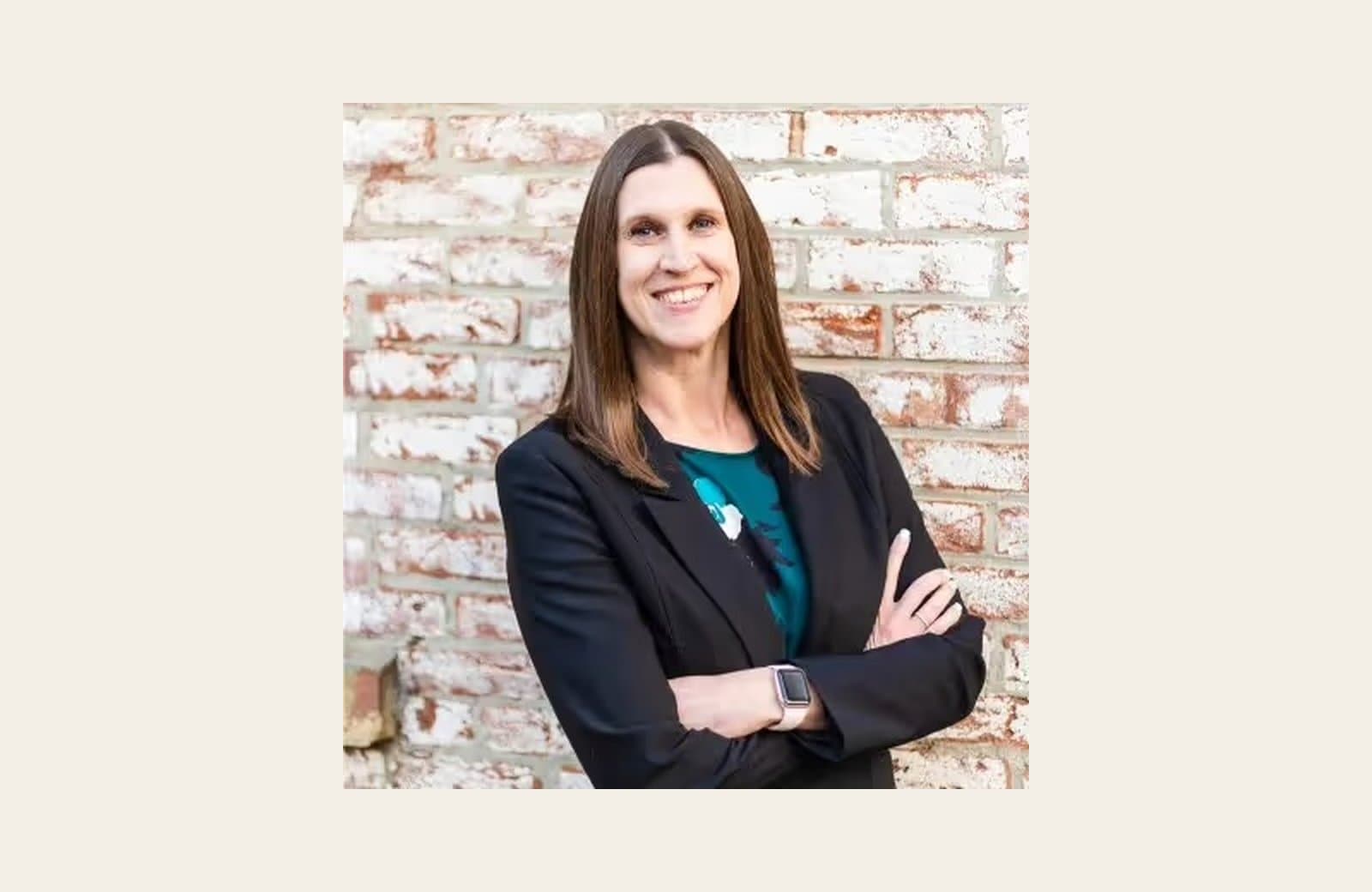
Episode 29 of EdLogics' Health Literacy 2.0 podcast, hosted by Seth Serxner, Chief Health Officer at EdLogics. Krystal joined Seth, a longtime collaborator from conferences, board work, and industry circles, to walk through how the Shell business case for holistic workforce health was actually built and what it produced.
Krystal traced her own arc, from PhD work in cancer epidemiology and breast cancer research into a Shell role that, within a year, asked her to expand from traditional occupational health into a holistic frame covering mental, emotional, social, and financial health. The breakthrough was making that work measurable in the metrics the business already cared about. Shell's internal data showed roughly a 10-point increase in employee engagement translates to about a 40% decrease in safety incidents, so the team measured engagement as the more accessible proxy and demonstrated that resilience-program participation and a caring environment both drove engagement, inclusion, and thriving indices upward.
The conversation then moved into the post-COVID build of Shell's mental health pilot, structured around three pillars: promotion of good mental health, protection of employees from psychosocial stressors, and timely access to quality mental health services. Krystal walked Seth through the six psychosocial risk factors at the heart of the protect pillar, from job demands and control through relationships, organizational change, role clarity, and recognition, and explained why the operational sites with their union and regulatory constraints look very different from office-based staff when it comes to autonomy.
Krystal also previewed the move from team-level conversations to the bite-sized interventions employees actually asked for. Shell's "safety moment" ritual, which kicks off every meeting, now has a parallel "health moment," with five-minute videos and short prompts mapped to the same psychosocial constructs the survey measures.
Audience: chief health officers, benefits leaders, and population-health practitioners across EdLogics' Health Literacy 2.0 listenership.